Evidence & Practice

Welcome to the clinician blog
your go-to stream of useful updates, interesting articles, expert interviews, and bite-sized journal club reviews with clear summaries. Each post translates evidence into on-shift practice for real ED pressures, with take-home points, caveats, and links to podcasts and videos for deeper dives.
Scan it in minutes, use it the same day, and come back when you’ve got time to explore further.
This is a living resource, built for clinicians under pressure and updated regularly. If you have suggestions, gaps you’d like filled, or examples that work in your setting, please share them—so together we can give our patients better care and protect emergency services from avoidable strain
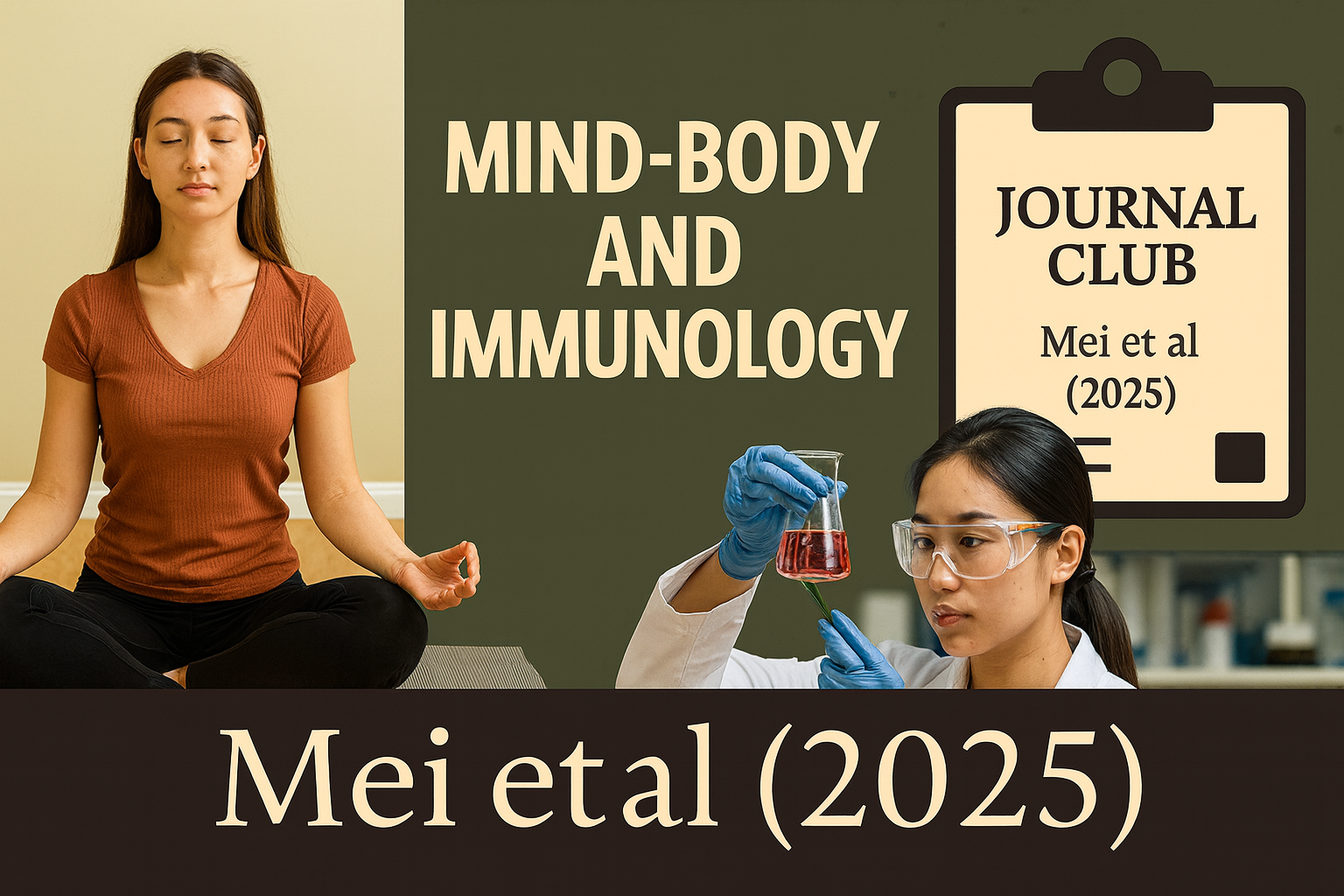
Tai Chi and Cytokines
This systematic review explores how mind-body therapies like yoga, Tai Chi, and mindfulness can reduce pro-inflammatory cytokines in depression, revealing promising biological pathways for healing. With 14 of 21 findings showing positive effects, it’s an inspiring look at low-risk, high-benefit interventions that bridge mental and physical health.
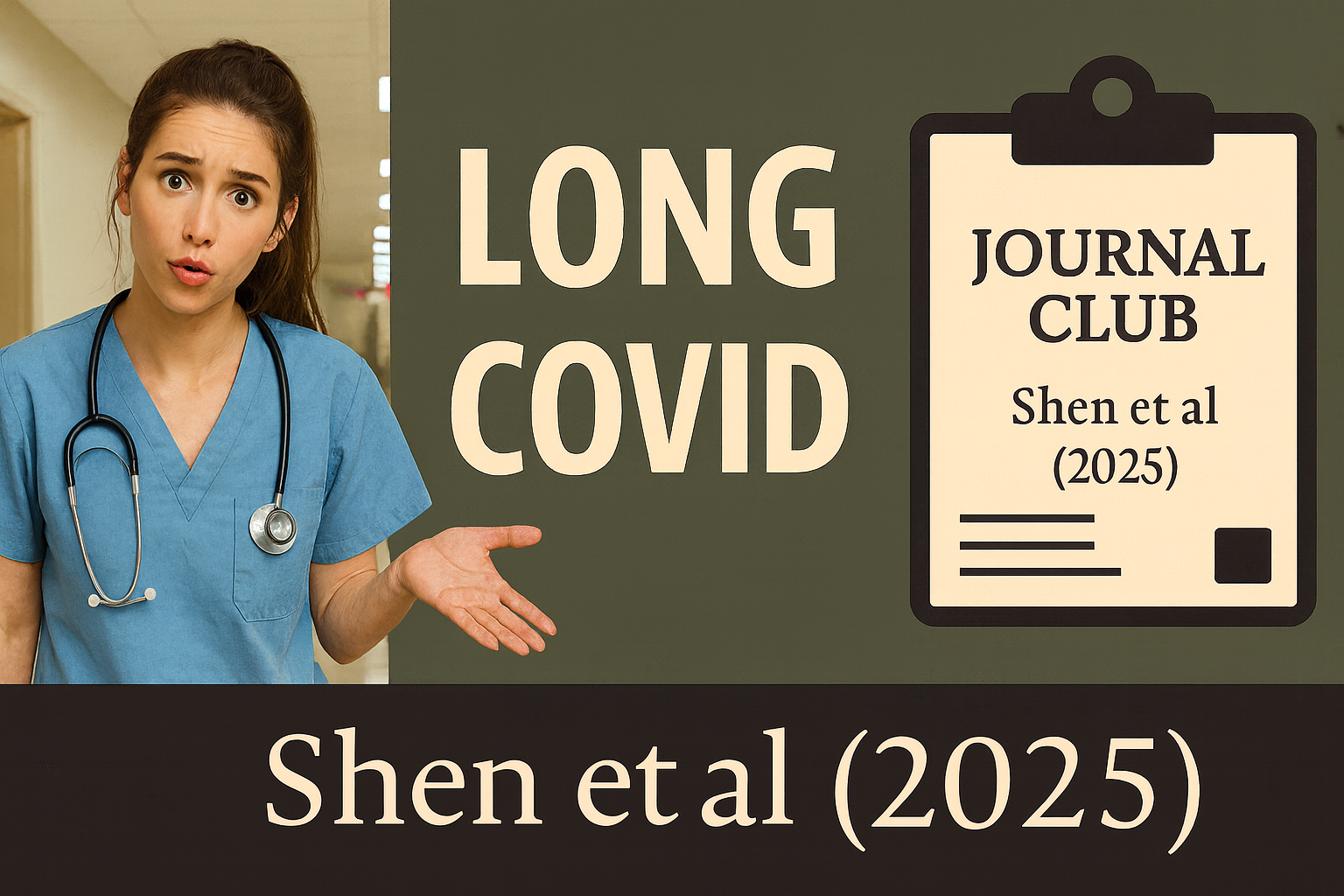
Long COVID - Review
This Journal Club review highlights the prevalence, underlying mechanisms, and current interventions for psychological symptoms such as anxiety, depression, cognitive dysfunction, and post-traumatic stress disorder (PTSD) in Long COVID. Importantly, the authors emphasize the multifactorial nature of these symptoms, involving neuroinflammation, immune dysregulation, vascular injury, and psychosocial stressors. The paper also evaluates emerging therapeutic approaches, including psychotherapy, pharmacotherapy, neuromodulation, and lifestyle interventions, aiming to inform both clinical practice and future research directions.
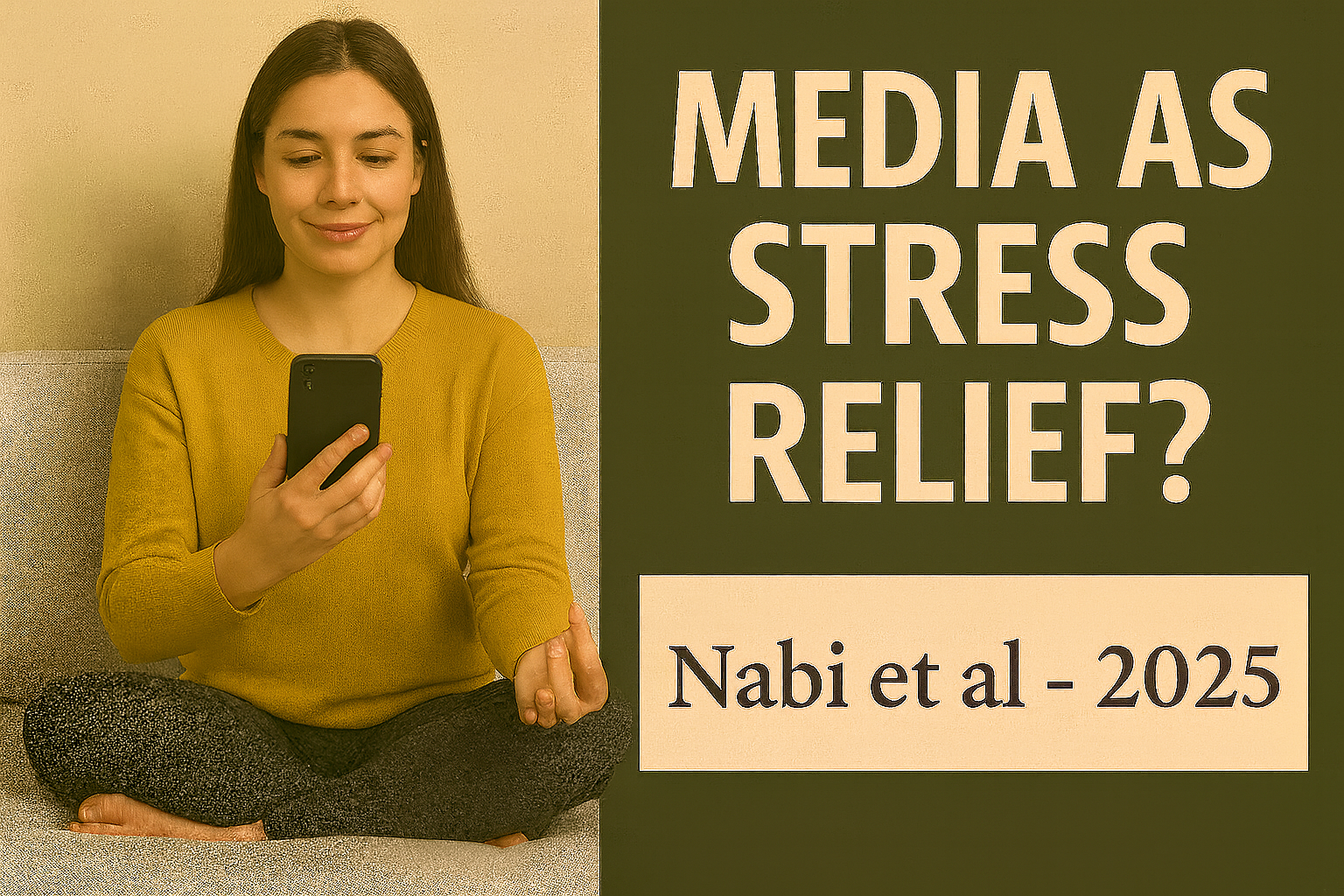
Media as Stress Relief?
Previous research on media prescriptions demonstrates that small doses of positively valanced media can support stress reduction. This paper compered the effect of different media styles with the control meditation or “no intervention”. Findings demonstrate a significant indirect effect of inspiring media content on stress reduction via media-induced hope.
Vagal nerve stimulation
This journal club reviewed the current evidence on vagal nerve stimulation (VNS) for stress reduction and its potential application in somatization disorders. Drawing on a systematic literature review performed with Consensus AI and validated by academic review, the presentation highlights strong evidence that both invasive and noninvasive VNS reduce sympathetic arousal, modulate the HPA axis, suppress pro-inflammatory cytokines, and restore stress-altered neural oscillations.
Functional Neurological Disease (FND) in ED
The paper reviews the clinical features of the most common functional neurologic presentations to the ED, including functional limb weakness, seizures, and movement disorders.
20 Years Later…
What happened since the Stephenson paper? Almost 20 years passed but current ED management is still hampered by the biomedical mind–body divide, lack of cohesive diagnostic criteria, and absence of ED-specific guidelines. The authors propose developing ED-appropriate diagnostic frameworks screening tools, and clear care pathways that integrate psychological and medical care.begins with an idea.
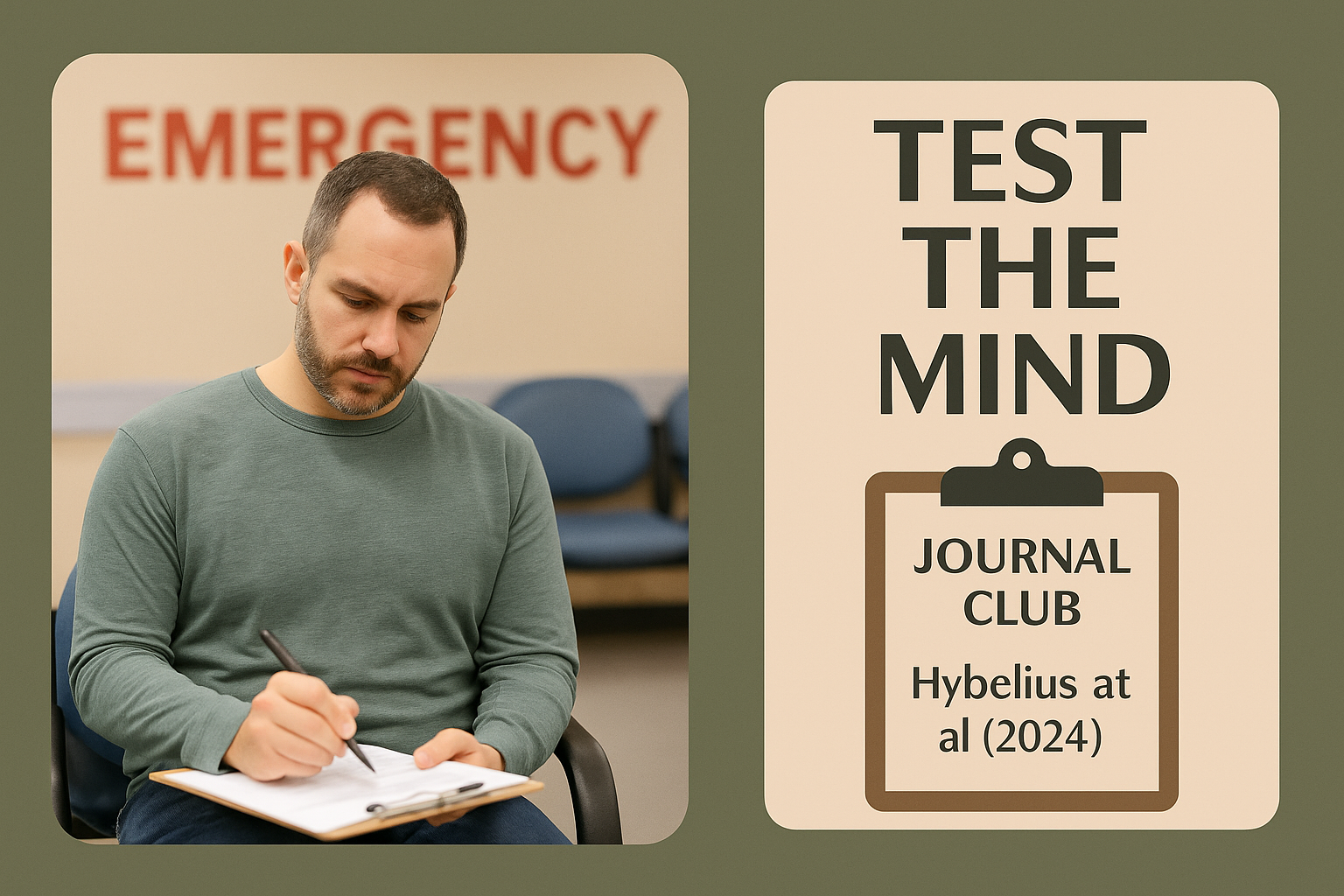
Psychometric Tests in ED?
In this systematic review and meta-analysis, findings supported use of the PHQ-15 and SSS-8 for the assessment of symptom burden, but users should be aware of the complex, multifactorial structures of these scales. More evidence is needed concerning longitudinal measurement properties.